
Nut Producing Pistachio Trees
- Home
- Pistachio Trees
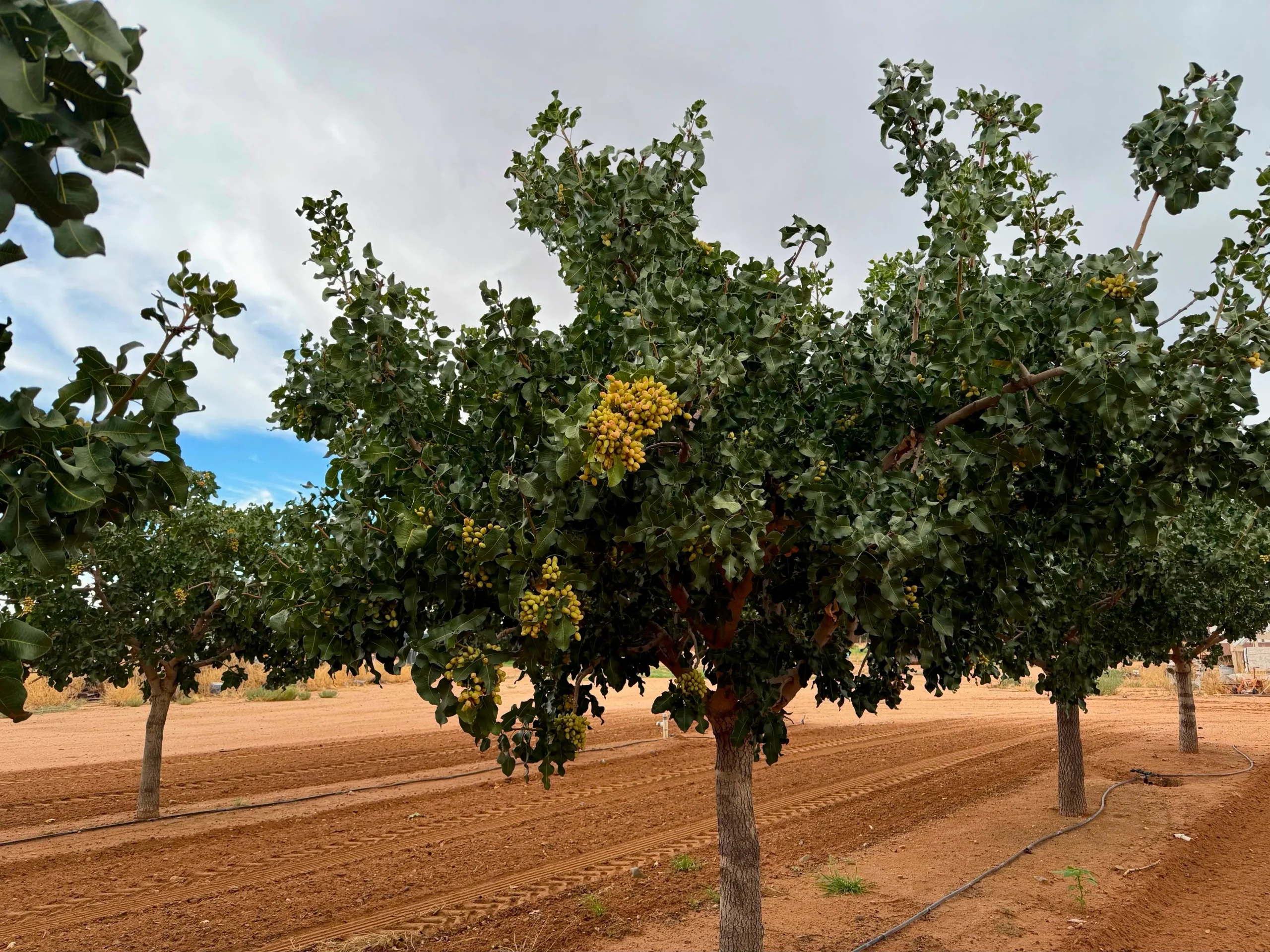
Nut Producing Pistachio Trees
(Kerman & Peters)
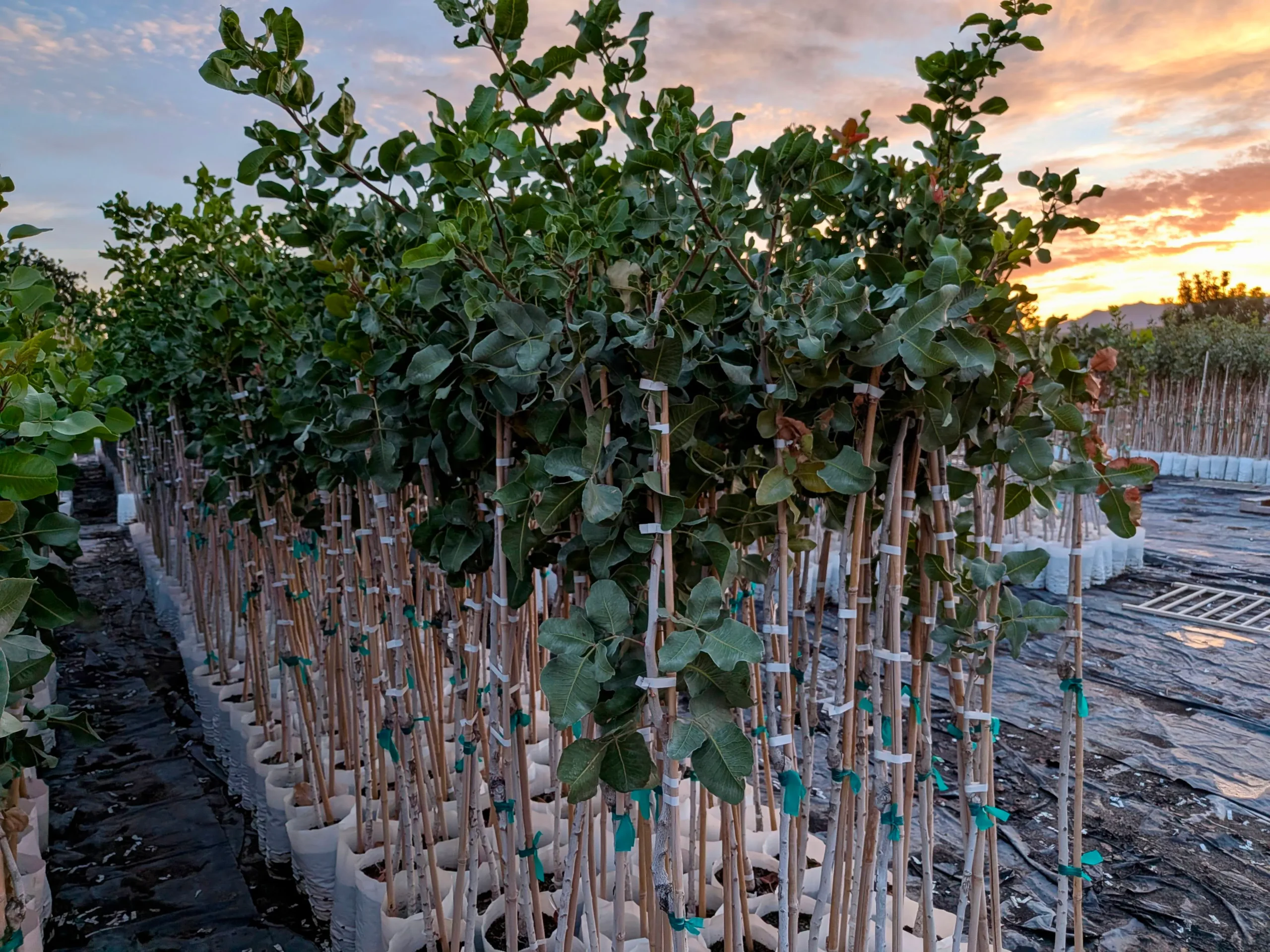
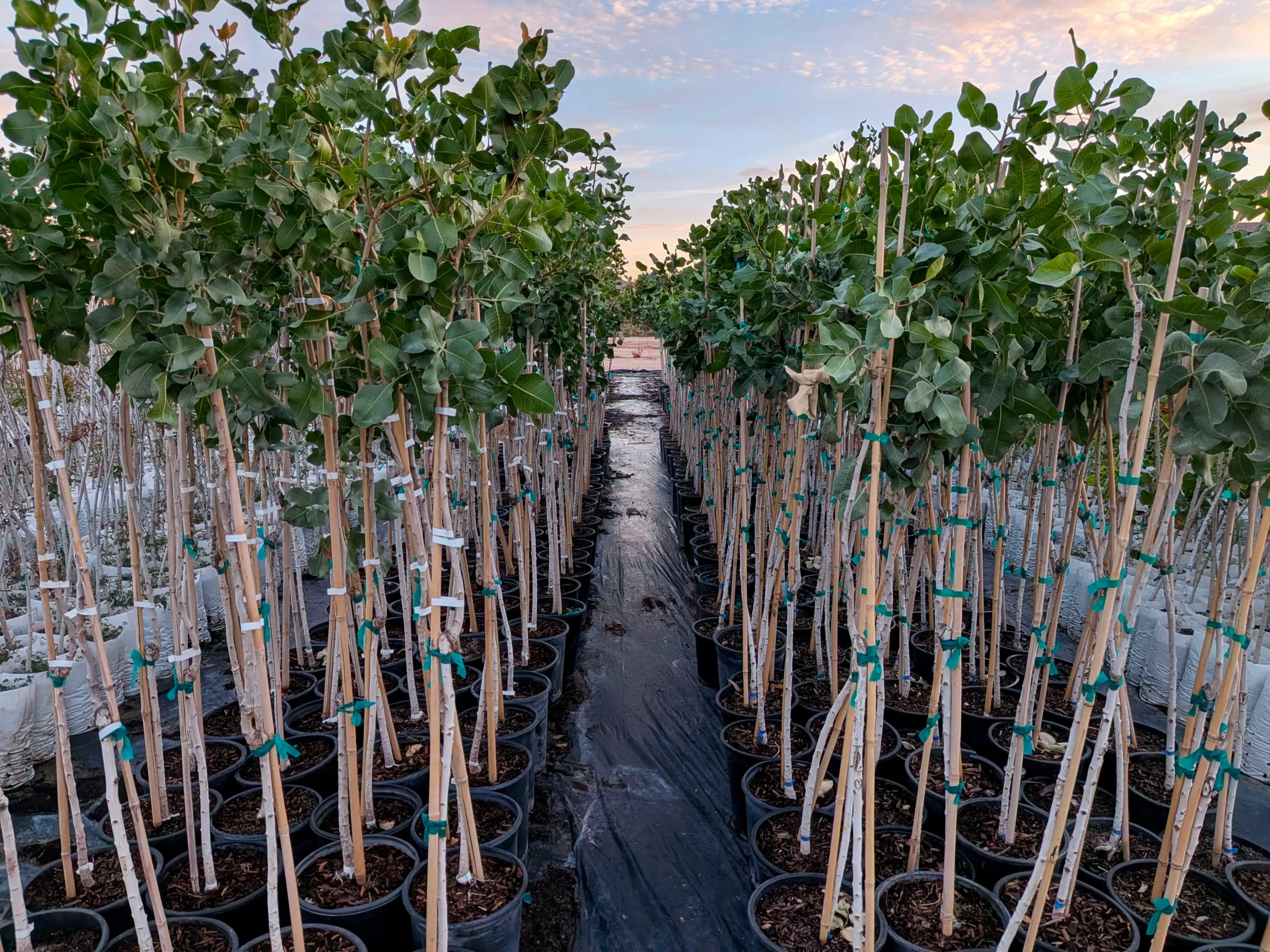
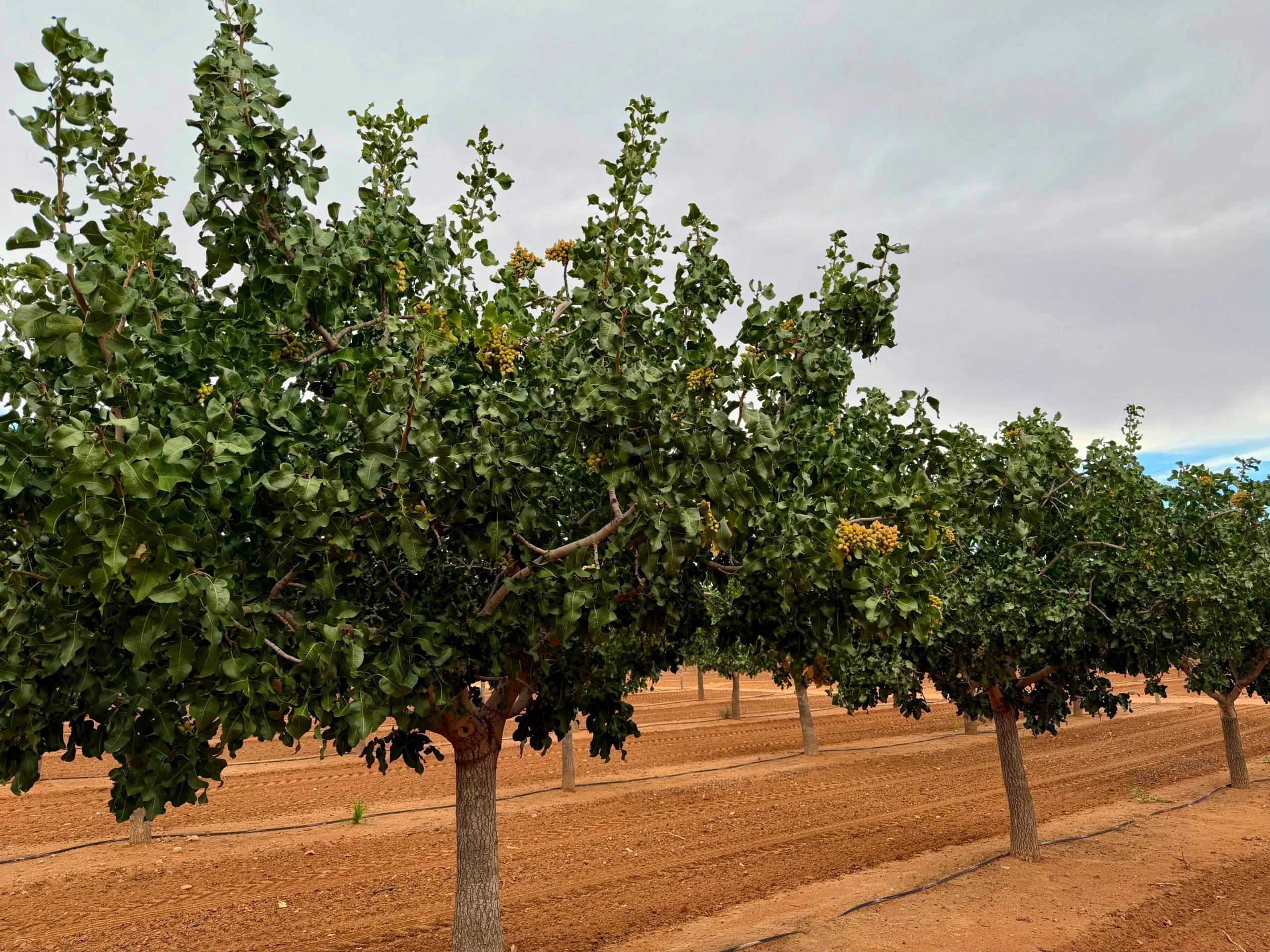
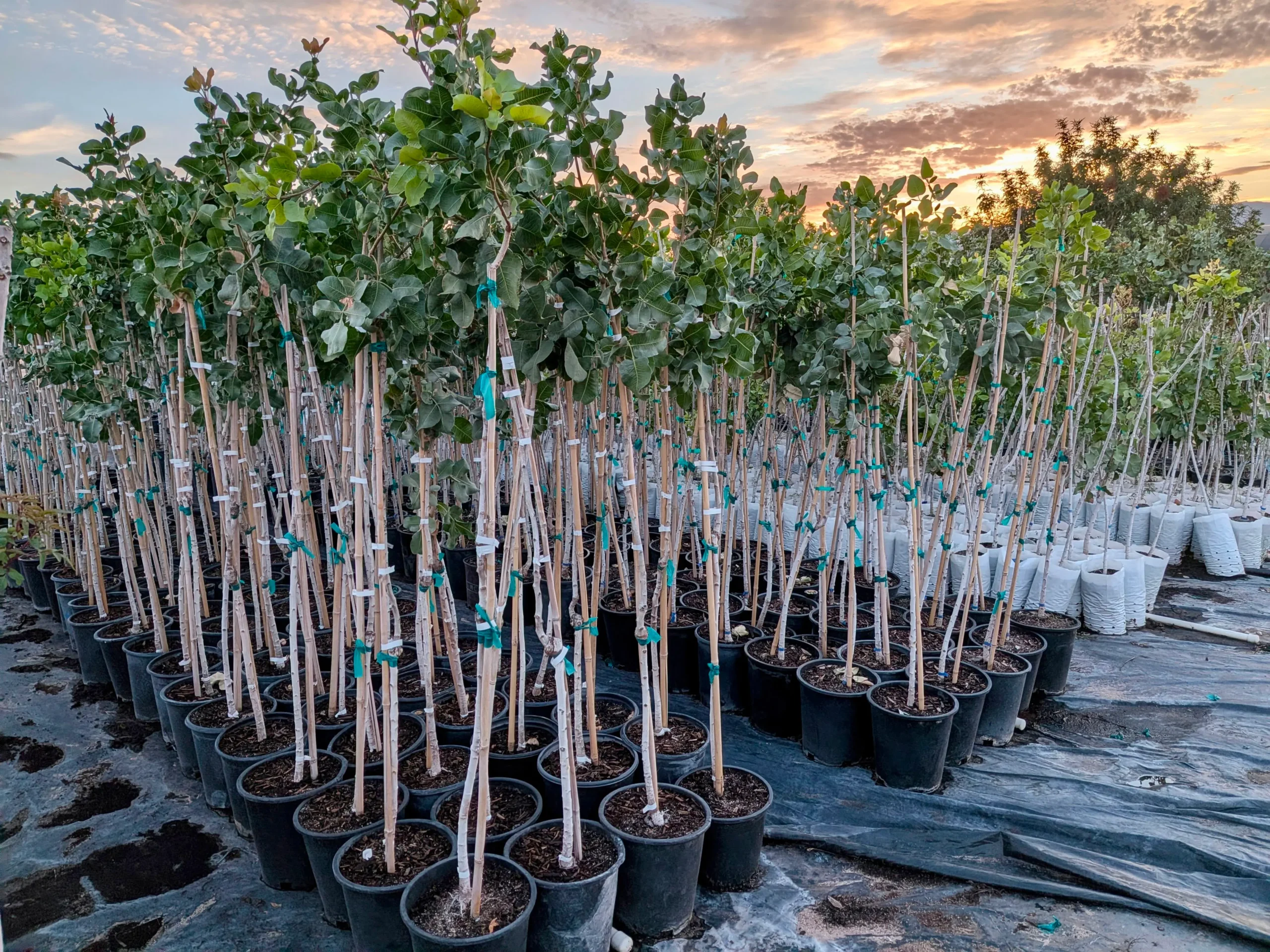
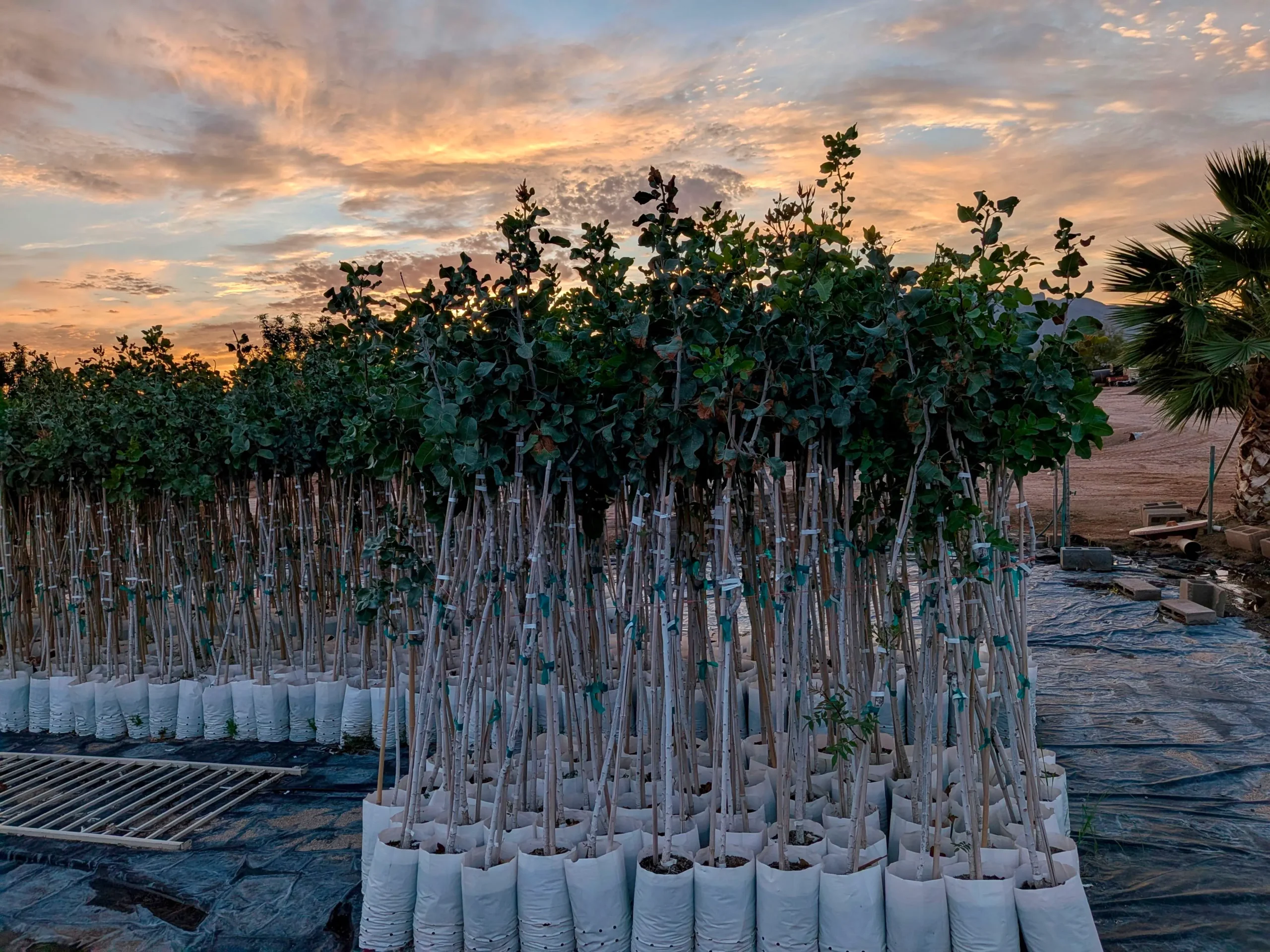
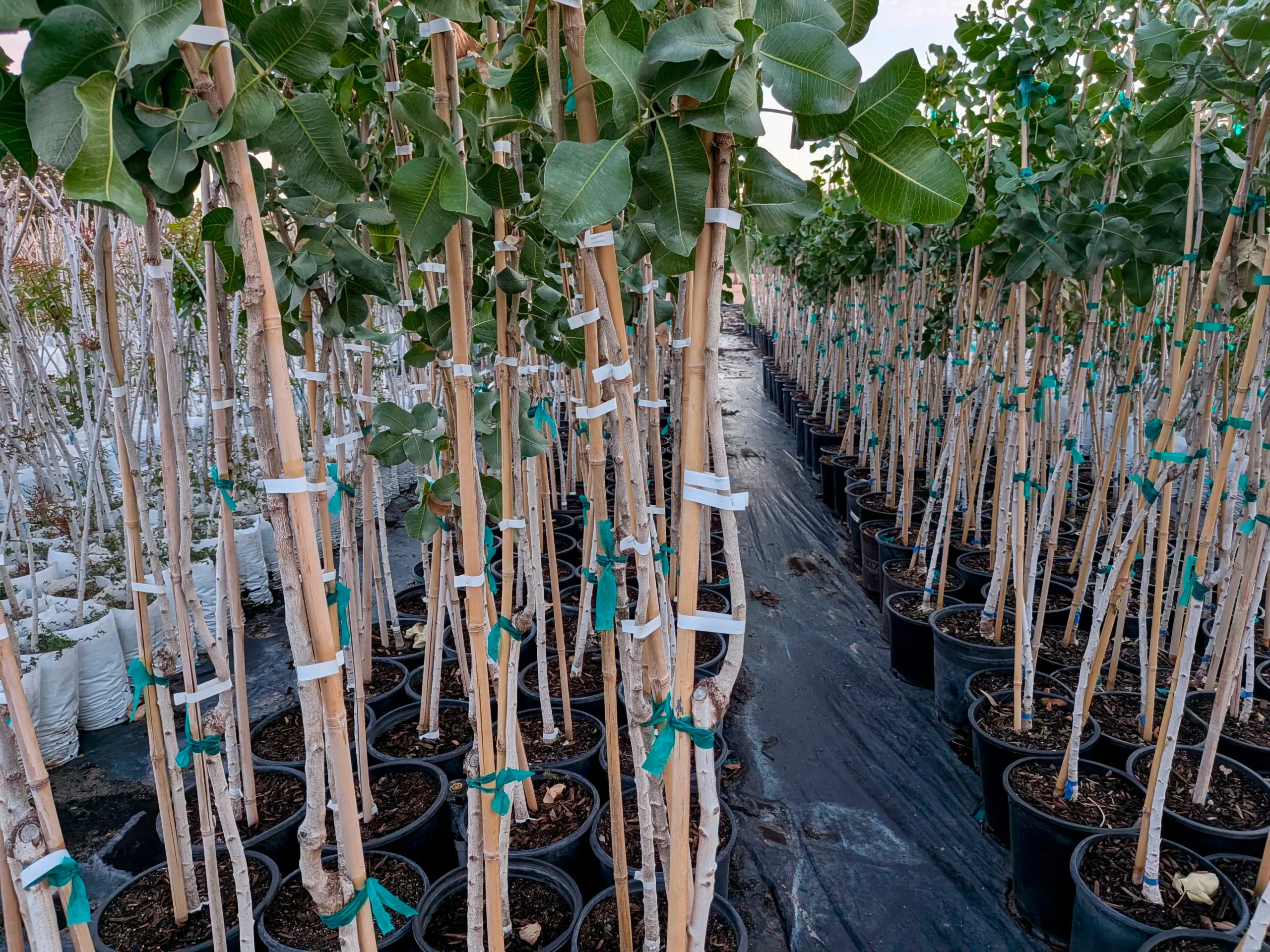
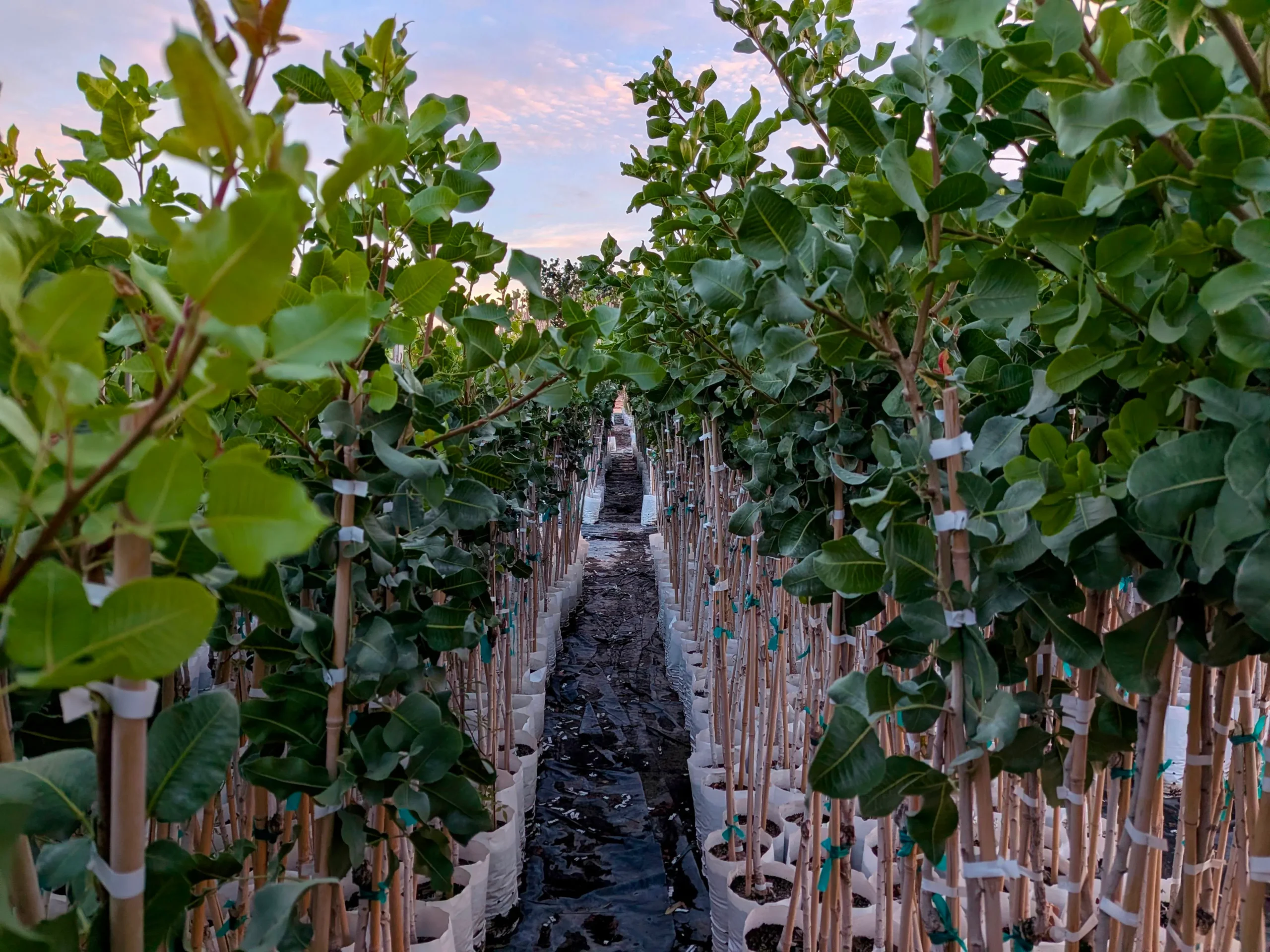
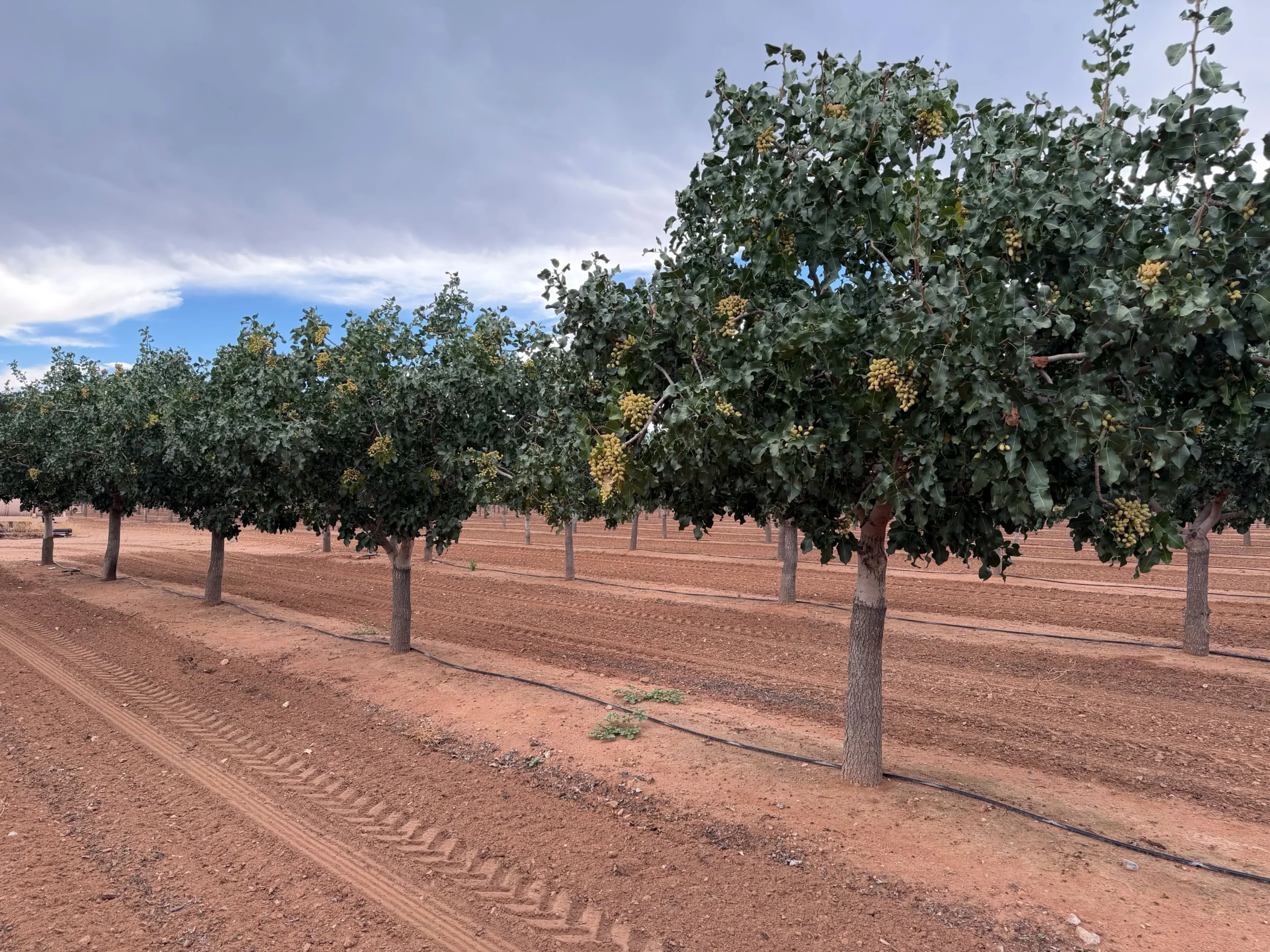
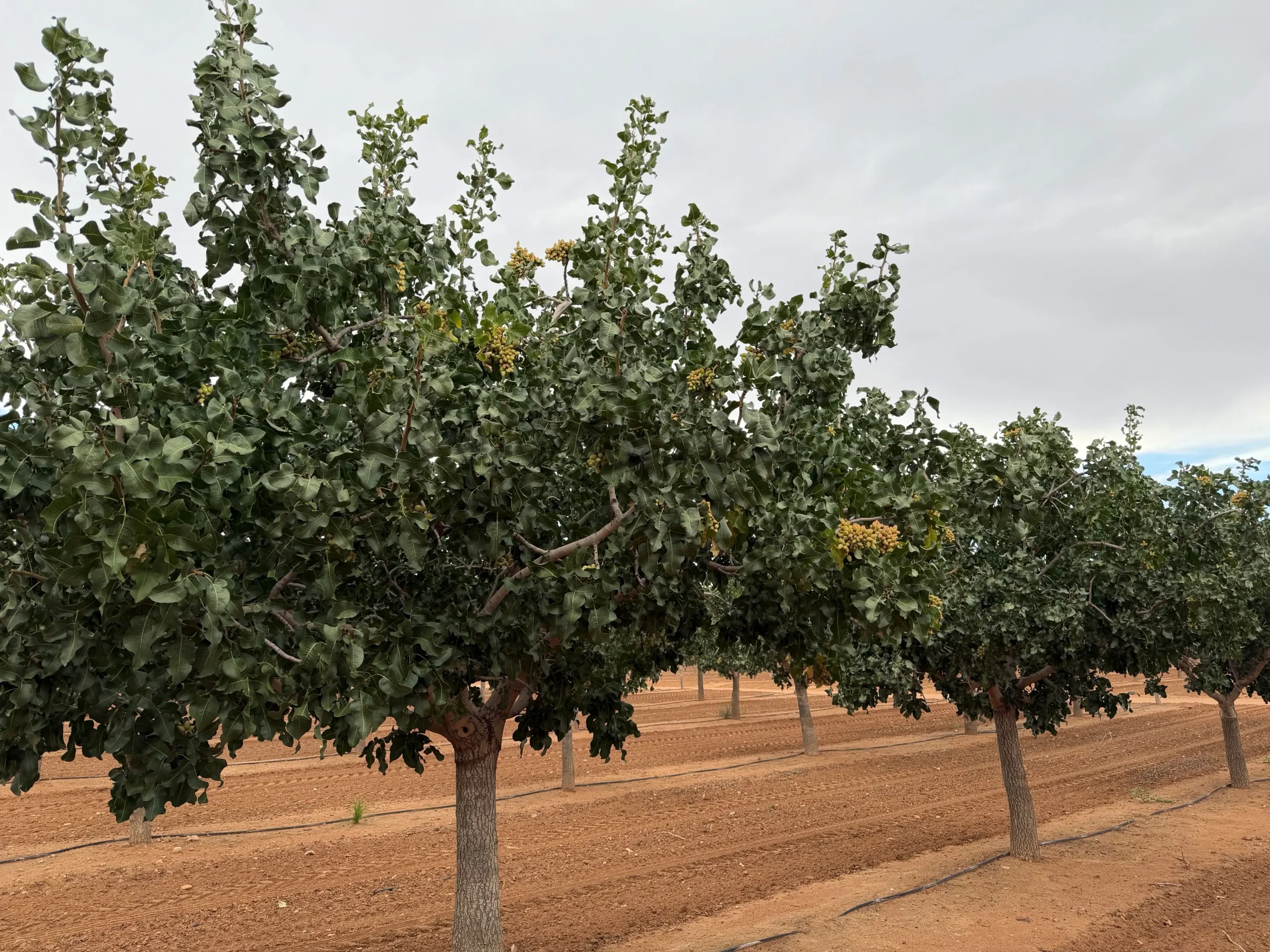
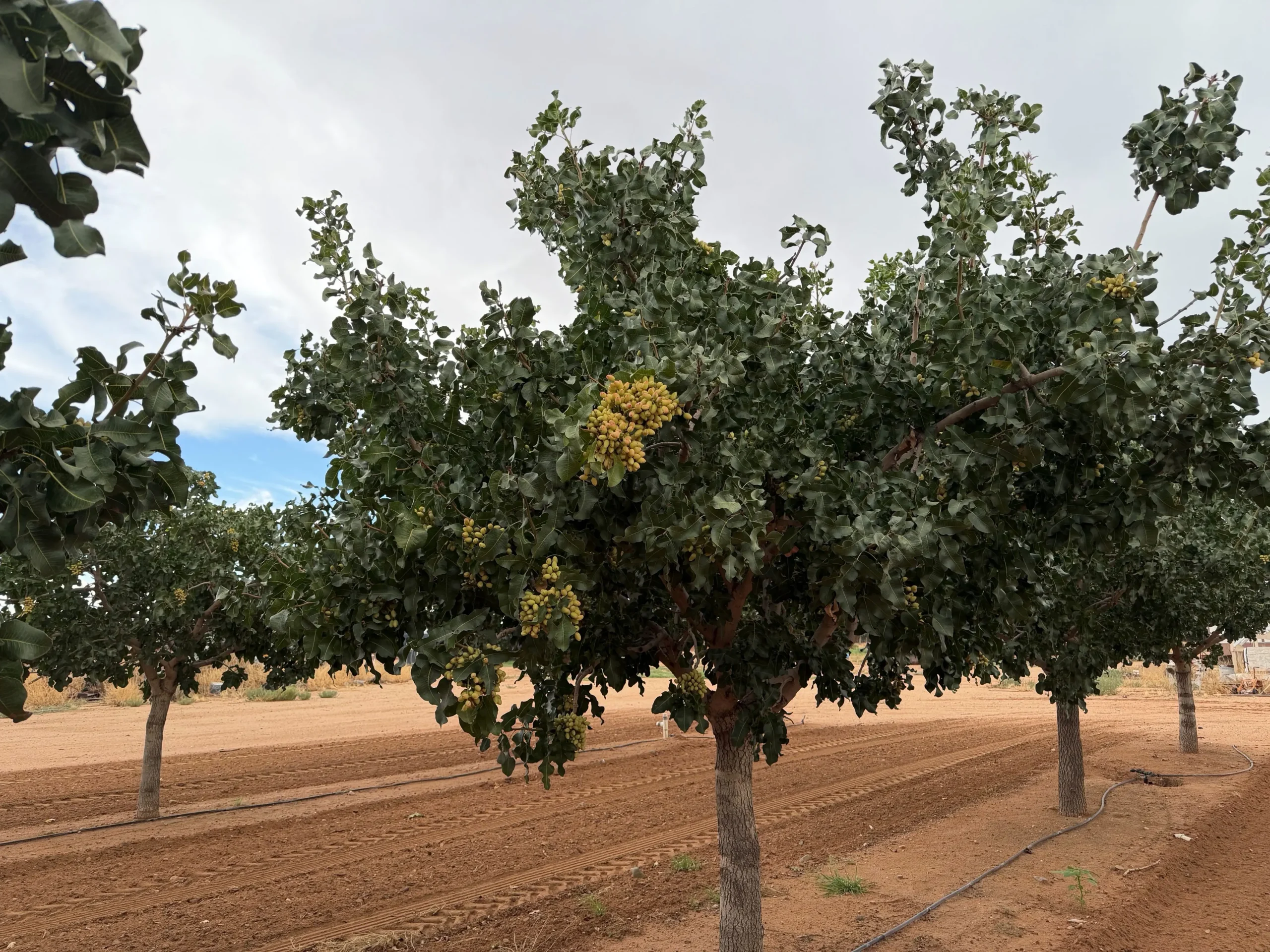
A Kerman pistachio grafted onto UCB1 rootstock is considered one of the best commercial combinations for growing pistachios in the southwestern United States, particularly in Arizona, California, and New Mexico. The Kerman variety produces the nuts, while the UCB1 rootstock provides vigor, disease resistance, and adaptability.
Benefits of Kerman on UCB1 Rootstock
1. Exceptional Tree Vigor
UCB1 produces a fast-growing, vigorous tree.
Trees typically establish more quickly than those grown on older rootstocks. Earlier canopy development may also lead to earlier commercial production.
2. High Yield Potential
Kerman is the industry-standard female pistachio variety because of its:
- Large nuts
- High split percentage
- Excellent kernel quality
When combined with UCB1 rootstock, yields are often higher throughout the life of the orchard.
3. Disease Resistance
UCB1 offers improved resistance or tolerance to several soil-related diseases, including:
- Verticillium wilt
- Phytophthora root rot
This makes it a good choice for areas where these diseases are a concern.
4. Salt Tolerance
One of UCB1’s strongest advantages is its ability to tolerate: Saline irrigation water and Salty soils.
This is especially valuable in many parts of Arizona, where irrigation water may contain elevated salt levels.
5. Drought Tolerance
Once established, the Kerman and UCB1 combination is highly drought-tolerant. However, commercial production still requires regular irrigation to achieve maximum yields.
6. Adaptability to Hot Climates
The Kerman and UCB1 combination performs well in:
- Long, hot summers
- Low-humidity environments
- Desert conditions
These conditions are common throughout southern Arizona.
7. Long Orchard Life
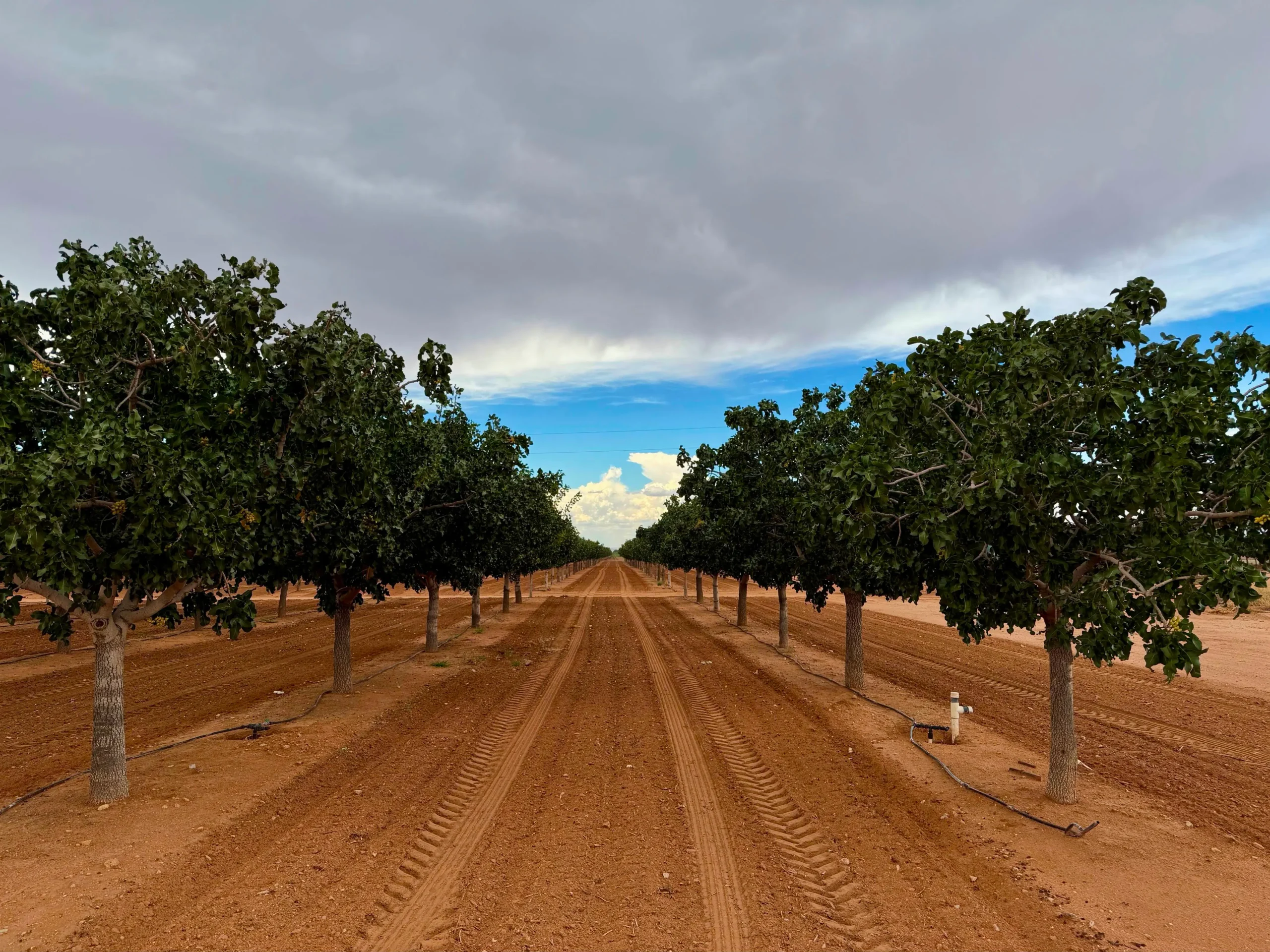
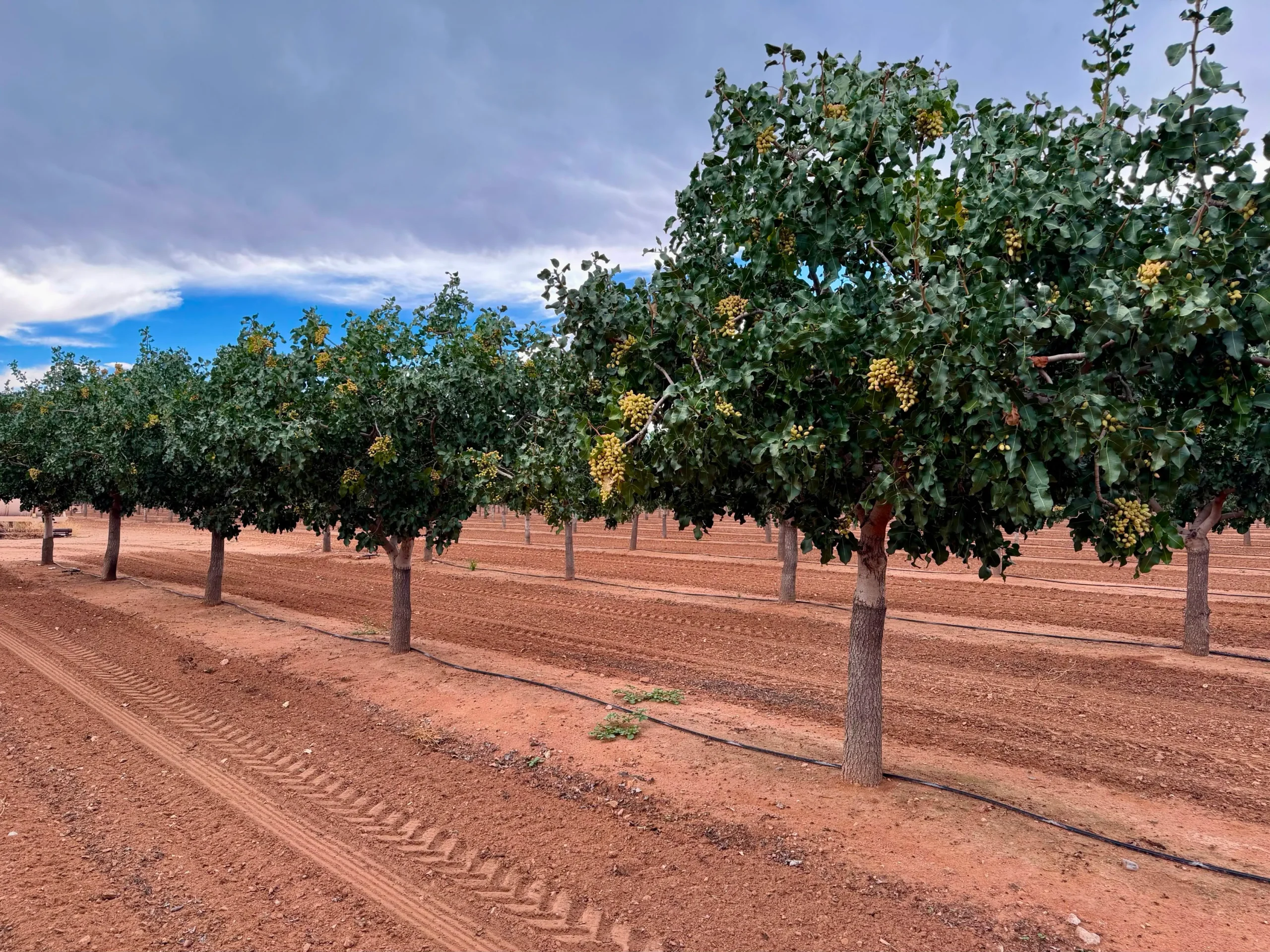
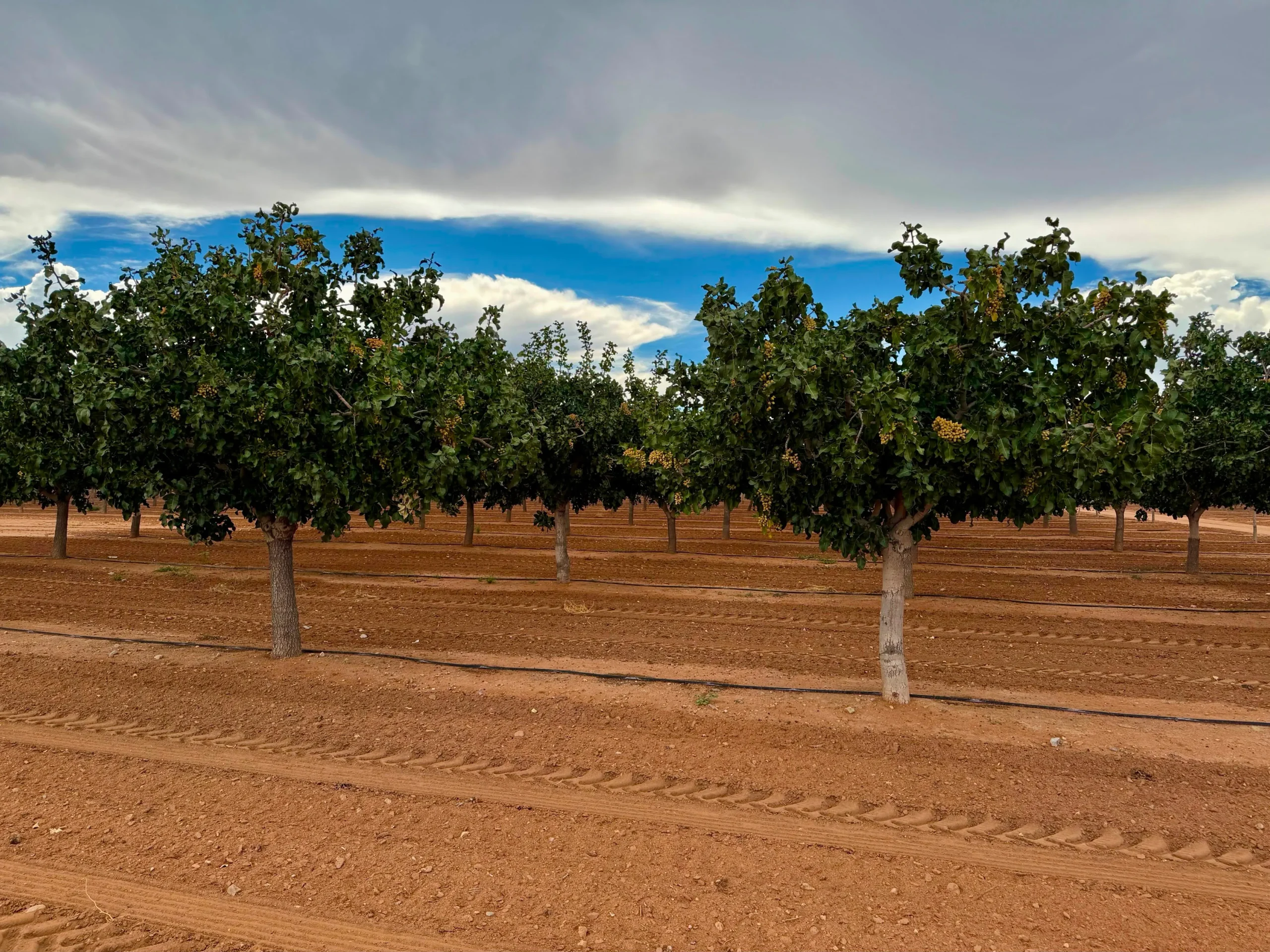
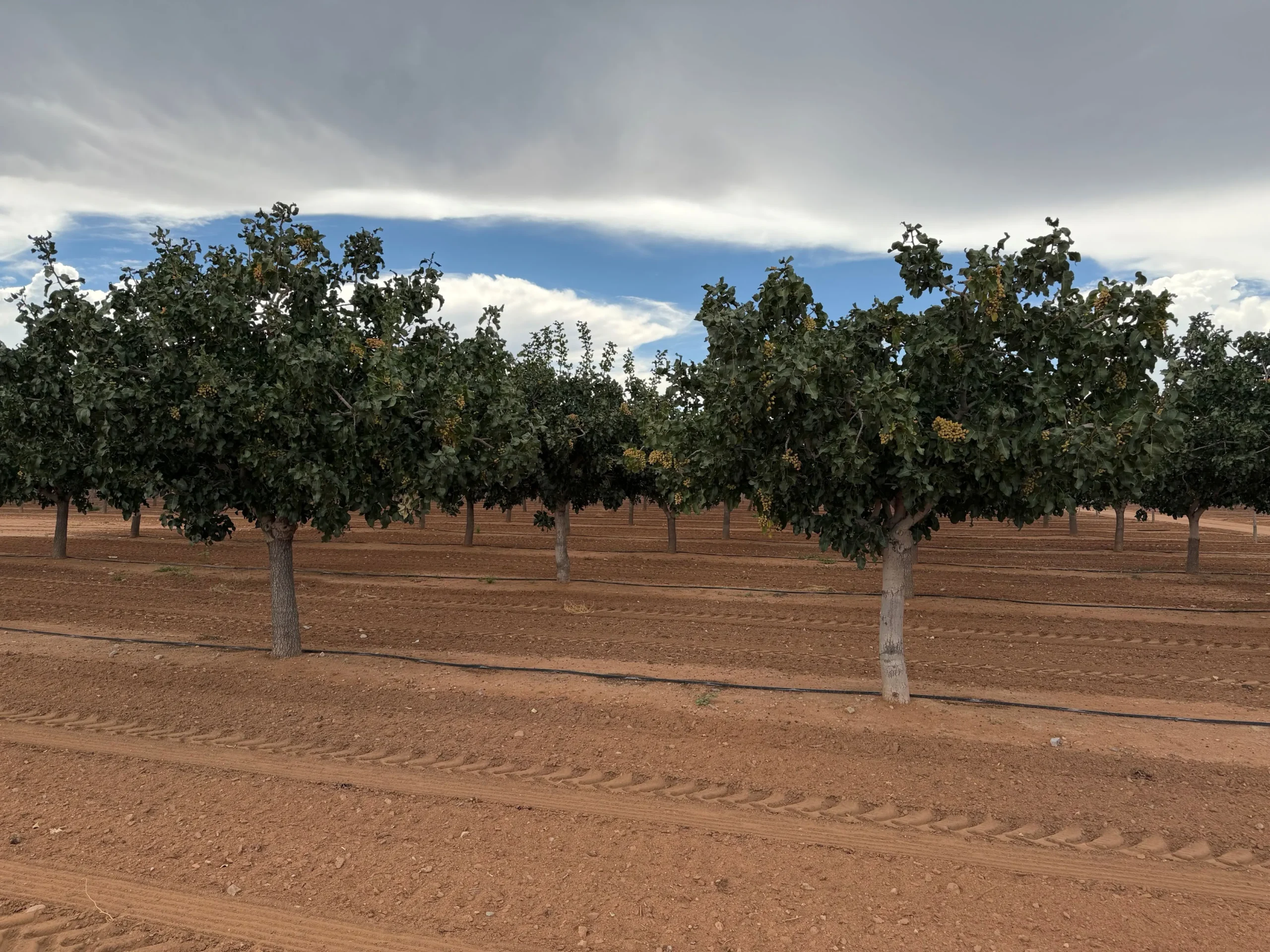
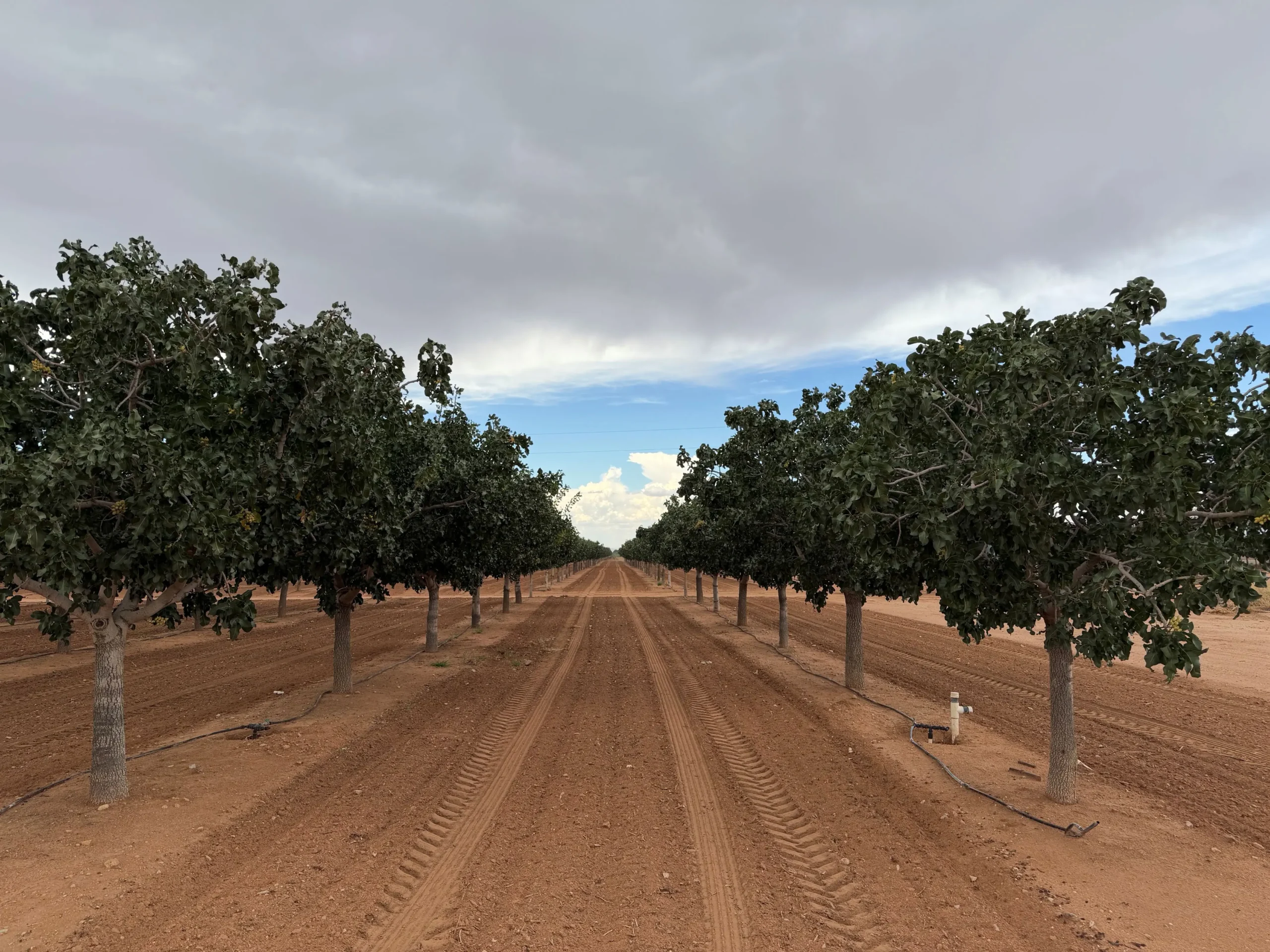
When properly managed, pistachio orchards can remain productive for 40 to 50 years or longer.
Management Considerations
There are several important management factors to consider:
Kerman is a female cultivar, so a compatible male pollinizer, such as Peters or another appropriate male variety that flowers at the same time, is required.
Kerman needs a sufficient number of winter chill hours to produce consistently.
UCB1 is very vigorous, so proper pruning and training during the early years are important.
Pistachio trees naturally exhibit alternate bearing, meaning they may produce a heavy crop one year and a lighter crop the next. Good orchard management can help reduce this effect.
Is It a Good Choice for Arizona?
For orchards planted near Tucson, the Kerman and UCB1 combination offers several benefits.
Advantages
Excellent heat tolerance
Good adaptability to alkaline soils
Strong salt tolerance
Excellent long-term production potential
Potential Challenge
Depending on the specific location and winter conditions, chill accumulation may vary. Some lower-elevation areas may receive fewer chill hours than required, which can affect flowering and overall yield.
Overall, Kerman grafted onto UCB1 is widely regarded as a benchmark combination for commercial pistachio production. It combines high-quality nut production with a vigorous and resilient root system capable of handling many of the environmental challenges found throughout the desert Southwest.
Winter Chill Requirements for Kerman and Peters
The traditional commercial pistachio combination of Kerman, the female variety, and Peters, the male pollinizer, has relatively high winter chilling requirements.
| Variety | Approximate Chill Requirement |
|---|---|
| Kerman, female | 750–850 hours below 42–45°F, or 5.5–7°C |
| Peters, male | 900 hours or more below 42–45°F, or 5.5–7°C |
Recent University of California references commonly cite the following requirements:
Kerman: More than 750 chill hours, or approximately 54–59 chill portions
Peters: More than 900 chill hours, or approximately 60–69 chill portions
Why Peters Requires More Chill
Peters typically requires more winter chill than Kerman. During mild winters, Kerman may begin flowering before Peters produces and releases sufficient pollen.
This timing mismatch can reduce pollination and significantly lower nut production. It is one of the main reasons low-chill winters can negatively affect pistachio yields.